Political Adversaries Turned Dictators: The Tragic Case of Rwanda
Category : | Sub Category : Posted on 2024-11-05 22:25:23
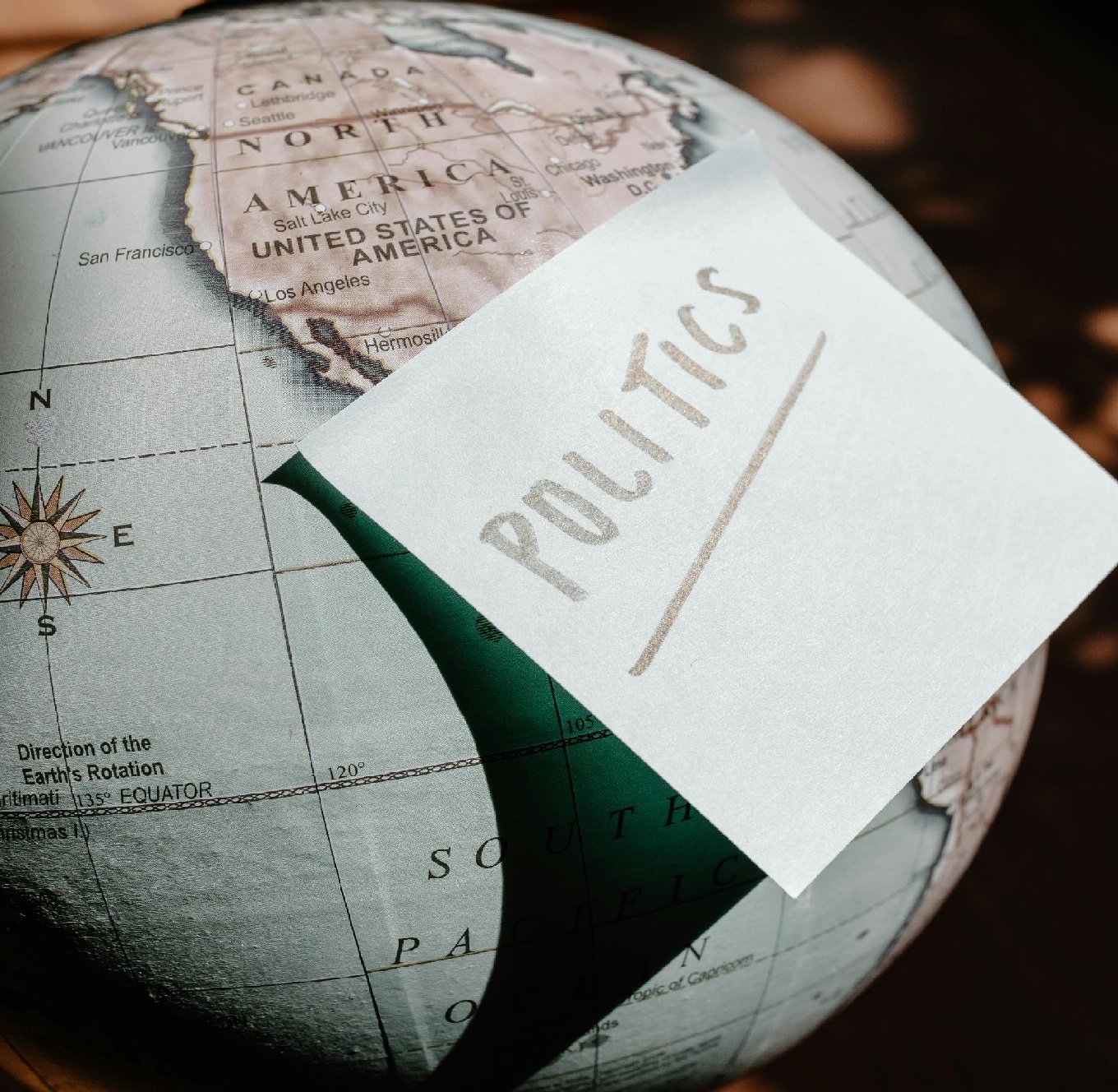
In the complex landscape of political conflicts and power struggles, some adversaries-turned-dictators have left a dark mark on history. One such tragic case is that of Rwanda, where political adversaries turned into ruthless dictators, leading to catastrophic consequences for the country and its people. Rwanda, a small landlocked country in East Africa, has a history marred by ethnic tensions between the majority Hutu and minority Tutsi populations. The seeds of division were sown during the colonial era when the Belgians favored the Tutsis over the Hutus, exacerbating social and economic disparities between the two groups. In the latter half of the 20th century, Rwanda saw a rise in political adversaries vying for power within this volatile environment. The most notorious figures among them were Juvenal Habyarimana and Paul Kagame. Habyarimana, a Hutu, rose to power through a military coup in 1973 and ruled Rwanda with an iron fist for over two decades. His regime was marked by repression, corruption, and ethnic favoritism, driving deep divisions within the country. On the other hand, Paul Kagame, a Tutsi and former rebel leader, emerged as a key adversary to Habyarimana's regime. Kagame led the Rwandan Patriotic Front (RPF), a Tutsi-dominated rebel group that opposed the discriminatory policies of the Habyarimana government. The rivalry between the two leaders escalated, leading to a brutal civil war and ultimately culminating in the tragic Rwandan Genocide of 1994. During the genocide, extremist Hutu forces orchestrated a systematic campaign of violence against the Tutsi population, resulting in the deaths of an estimated 800,000 people in just 100 days. The international community failed to intervene effectively, and the world watched in horror as Rwanda descended into unimaginable chaos and bloodshed. In the aftermath of the genocide, Paul Kagame emerged as the de facto leader of Rwanda, assuming the presidency in 2000. While hailed for his role in ending the genocide and stabilizing the country, Kagame's leadership has been criticized for its authoritarian tendencies, suppression of political dissent, and human rights abuses. The tragic trajectory of Rwanda serves as a sobering reminder of the dangers posed by political adversaries turned dictators. The unchecked quest for power, fueled by ethnic rivalries and personal ambitions, can have devastating consequences for nations and their people. It underscores the need for strong institutions, respect for the rule of law, and mechanisms to prevent the rise of authoritarian regimes. As Rwanda continues its journey of reconciliation and rebuilding, the scars of its past still linger, serving as a cautionary tale for the rest of the world. The legacy of political adversaries turned dictators in Rwanda is a dark chapter in history that must never be forgotten, lest we fail to learn from the mistakes of the past and repeat them in the future. For comprehensive coverage, check out https://www.mimidate.com click the following link for more information: https://www.cotidiano.org Dropy by for a visit at https://www.topico.net
Leave a Comment:
SEARCH
Recent News
- Zurich, Switzerland is a vibrant city known for its picturesque landscapes, rich history, and diverse cultural scene. One fascinating aspect of Zurich's cultural tapestry is the influence of Sudanese culture in the city.
- Zurich is a vibrant city located in Switzerland and is well-known for its picturesque landscapes, rich history, and bustling business scene. The Spanish community in Zurich has been thriving, with many top companies from Spain making their mark in the city. These companies have not only contributed to the economy of Zurich but have also added diversity and innovation to the local business environment.
- Zurich, Switzerland, is renowned for its picturesque landscapes, vibrant culture, and thriving economy. However, thousands of kilometers away in Russia, agriculture plays a crucial role in the country's economy and food production.
- When looking at two diverse but equally fascinating destinations such as Zurich, Switzerland, and the rich culture of Quebec in Canada, it’s hard not to be captivated by the unique charm and beauty each has to offer.
- Zurich, Switzerland: A Hub for Hungarian Culture
- Zurich, Switzerland is a picturesque city known for its stunning landscapes, historic architecture, and vibrant culture. On the other hand, Honduras is a country rich in history and cultural diversity. Let's explore the contrasting beauty of Zurich, Switzerland and the colorful traditions of Honduras.
- Zurich, Switzerland is a vibrant city known for its stunning beauty, high quality of life, and rich cultural scene. One of the many diverse cultural influences found in Zurich is that of Ethiopian culture. Ethiopians have been making significant contributions to the cultural landscape of Zurich, bringing their unique traditions, music, cuisine, and art to the city.
- Cancel culture has been a hotly debated topic in recent years, and its impact can be seen around the world, including in Zurich, Switzerland. As a vibrant and cosmopolitan city, Zurich is not immune to the effects of cancel culture, which involves boycotting or ostracizing individuals or groups deemed to have behaved in a controversial or offensive manner.
READ MORE
11 months ago Category :

Zurich, Switzerland is a vibrant city known for its picturesque landscapes, rich history, and diverse cultural scene. One fascinating aspect of Zurich's cultural tapestry is the influence of Sudanese culture in the city.
Read More →11 months ago Category :

Zurich is a vibrant city located in Switzerland and is well-known for its picturesque landscapes, rich history, and bustling business scene. The Spanish community in Zurich has been thriving, with many top companies from Spain making their mark in the city. These companies have not only contributed to the economy of Zurich but have also added diversity and innovation to the local business environment.
Read More →11 months ago Category :

Zurich, Switzerland, is renowned for its picturesque landscapes, vibrant culture, and thriving economy. However, thousands of kilometers away in Russia, agriculture plays a crucial role in the country's economy and food production.
Read More →11 months ago Category :
