Exploring the Minds of Political Adversaries and Dictators Through Books
Category : | Sub Category : Posted on 2024-11-05 22:25:23
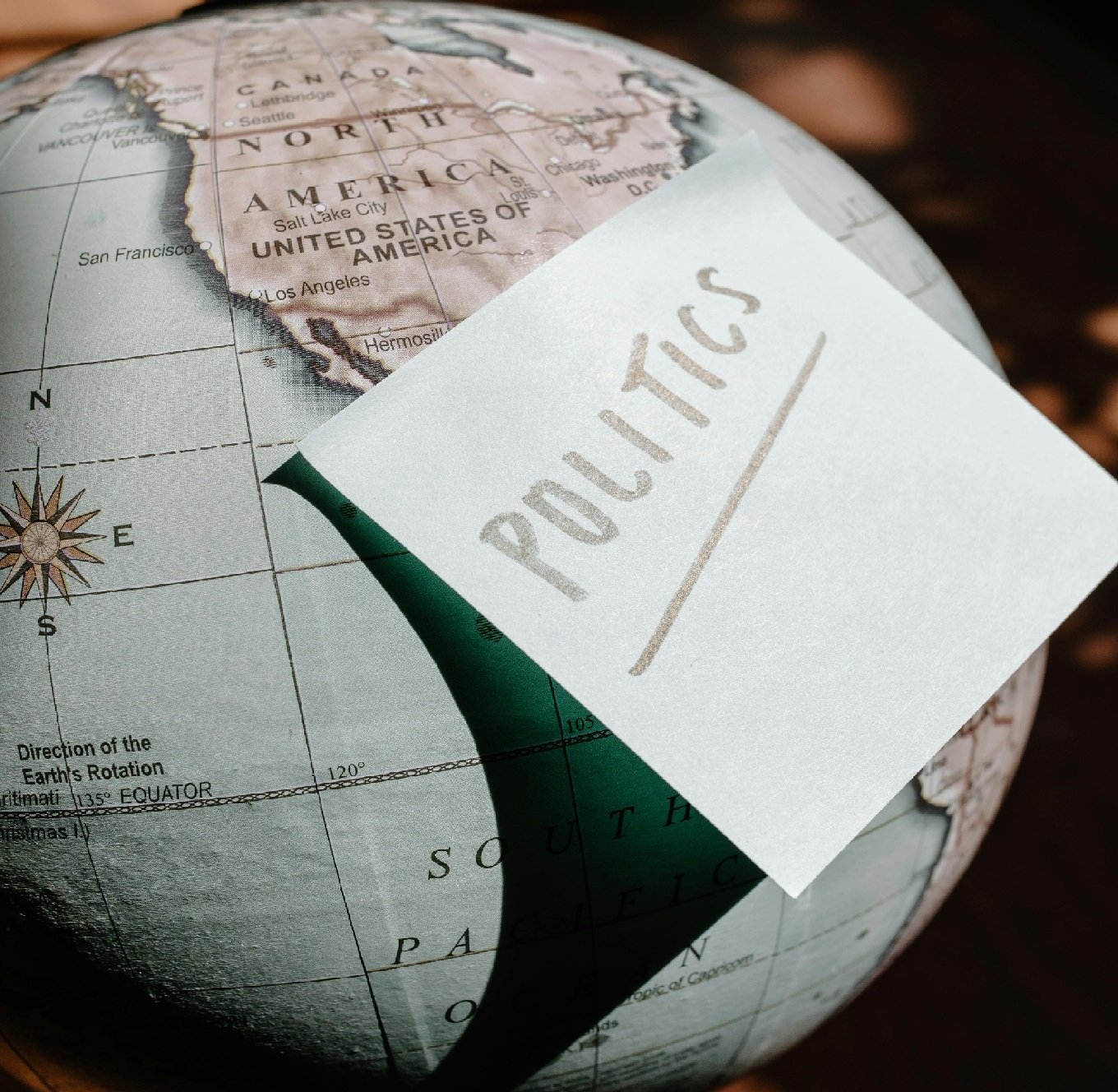
In the world of politics, adversaries and dictators have left an indelible mark on history with their actions and decisions. Understanding their mindset, motivations, and the impact they have had on societies is crucial in analyzing the complex dynamics of power and governance. One way to delve deeper into the psychology of political adversaries and dictators is through literature, specifically books that provide insights into their personalities, beliefs, and the consequences of their rule. Books have the power to transport us to different eras and offer a perspective that goes beyond the headlines and political rhetoric. They allow readers to see the world through the eyes of those who shaped it, for better or for worse. By exploring the lives and actions of political adversaries and dictators through books, we can gain a better understanding of the factors that led to their rise to power, the strategies they employed to maintain control, and the legacy they left behind. Some notable books that provide a glimpse into the minds of political adversaries and dictators include: 1. "The Dictator's Handbook: Why Bad Behavior is Almost Always Good Politics" by Bruce Bueno de Mesquita and Alastair Smith - This book explores the inner workings of dictatorships and autocracies, shedding light on the incentives and motivations that drive leaders to make certain decisions. 2. "The Court of the Red Tsar" by Simon Sebag Montefiore - This biography of Joseph Stalin offers a detailed account of the Soviet dictator's reign of terror, shedding light on the personal and political dynamics that shaped his rule. 3. "The Prince" by Niccolò Machiavelli - A classic work on political philosophy, "The Prince" offers timeless insights into the strategies and tactics employed by rulers to maintain power, making it a must-read for anyone seeking to understand the mindset of political adversaries. 4. "The Brothers: John Foster Dulles, Allen Dulles, and Their Secret World War" by Stephen Kinzer - This book delves into the lives of the Dulles brothers, who were influential figures in American politics and intelligence during the Cold War, shedding light on their methods and motivations. 5. "The Trial of Henry Kissinger" by Christopher Hitchens - In this provocative book, Hitchens presents a critical examination of the foreign policy decisions made by former U.S. Secretary of State Henry Kissinger, raising important questions about accountability and moral responsibility in politics. By immersing ourselves in these and other books that explore the lives and actions of political adversaries and dictators, we can gain valuable insights into the complexities of power, governance, and the human condition. Through the lens of literature, we are able to see beyond the facade of politics and glimpse the inner workings of those who have shaped the course of history.
Leave a Comment:
SEARCH
Recent News
- Zurich, Switzerland is a vibrant city known for its picturesque landscapes, rich history, and diverse cultural scene. One fascinating aspect of Zurich's cultural tapestry is the influence of Sudanese culture in the city.
- Zurich is a vibrant city located in Switzerland and is well-known for its picturesque landscapes, rich history, and bustling business scene. The Spanish community in Zurich has been thriving, with many top companies from Spain making their mark in the city. These companies have not only contributed to the economy of Zurich but have also added diversity and innovation to the local business environment.
- Zurich, Switzerland, is renowned for its picturesque landscapes, vibrant culture, and thriving economy. However, thousands of kilometers away in Russia, agriculture plays a crucial role in the country's economy and food production.
- When looking at two diverse but equally fascinating destinations such as Zurich, Switzerland, and the rich culture of Quebec in Canada, it’s hard not to be captivated by the unique charm and beauty each has to offer.
- Zurich, Switzerland: A Hub for Hungarian Culture
- Zurich, Switzerland is a picturesque city known for its stunning landscapes, historic architecture, and vibrant culture. On the other hand, Honduras is a country rich in history and cultural diversity. Let's explore the contrasting beauty of Zurich, Switzerland and the colorful traditions of Honduras.
- Zurich, Switzerland is a vibrant city known for its stunning beauty, high quality of life, and rich cultural scene. One of the many diverse cultural influences found in Zurich is that of Ethiopian culture. Ethiopians have been making significant contributions to the cultural landscape of Zurich, bringing their unique traditions, music, cuisine, and art to the city.
- Cancel culture has been a hotly debated topic in recent years, and its impact can be seen around the world, including in Zurich, Switzerland. As a vibrant and cosmopolitan city, Zurich is not immune to the effects of cancel culture, which involves boycotting or ostracizing individuals or groups deemed to have behaved in a controversial or offensive manner.
READ MORE
11 months ago Category :

Zurich, Switzerland is a vibrant city known for its picturesque landscapes, rich history, and diverse cultural scene. One fascinating aspect of Zurich's cultural tapestry is the influence of Sudanese culture in the city.
Read More →11 months ago Category :

Zurich is a vibrant city located in Switzerland and is well-known for its picturesque landscapes, rich history, and bustling business scene. The Spanish community in Zurich has been thriving, with many top companies from Spain making their mark in the city. These companies have not only contributed to the economy of Zurich but have also added diversity and innovation to the local business environment.
Read More →11 months ago Category :

Zurich, Switzerland, is renowned for its picturesque landscapes, vibrant culture, and thriving economy. However, thousands of kilometers away in Russia, agriculture plays a crucial role in the country's economy and food production.
Read More →11 months ago Category :
