Political history is filled with stories of rivalry, conflict, and animosity between individuals or groups with differing ideologies and ambitions. These historical political foes have shaped the course of nations and left lasting impacts on the collective consciousness of societies. By examining past political conflicts, we can draw valuable lessons that can inform our understanding of contemporary politics and help us navigate current challenges more effectively.
Category : Historical Political Foes en | Sub Category : Lessons from Past Political Conflicts Posted on 2023-07-07 21:24:53
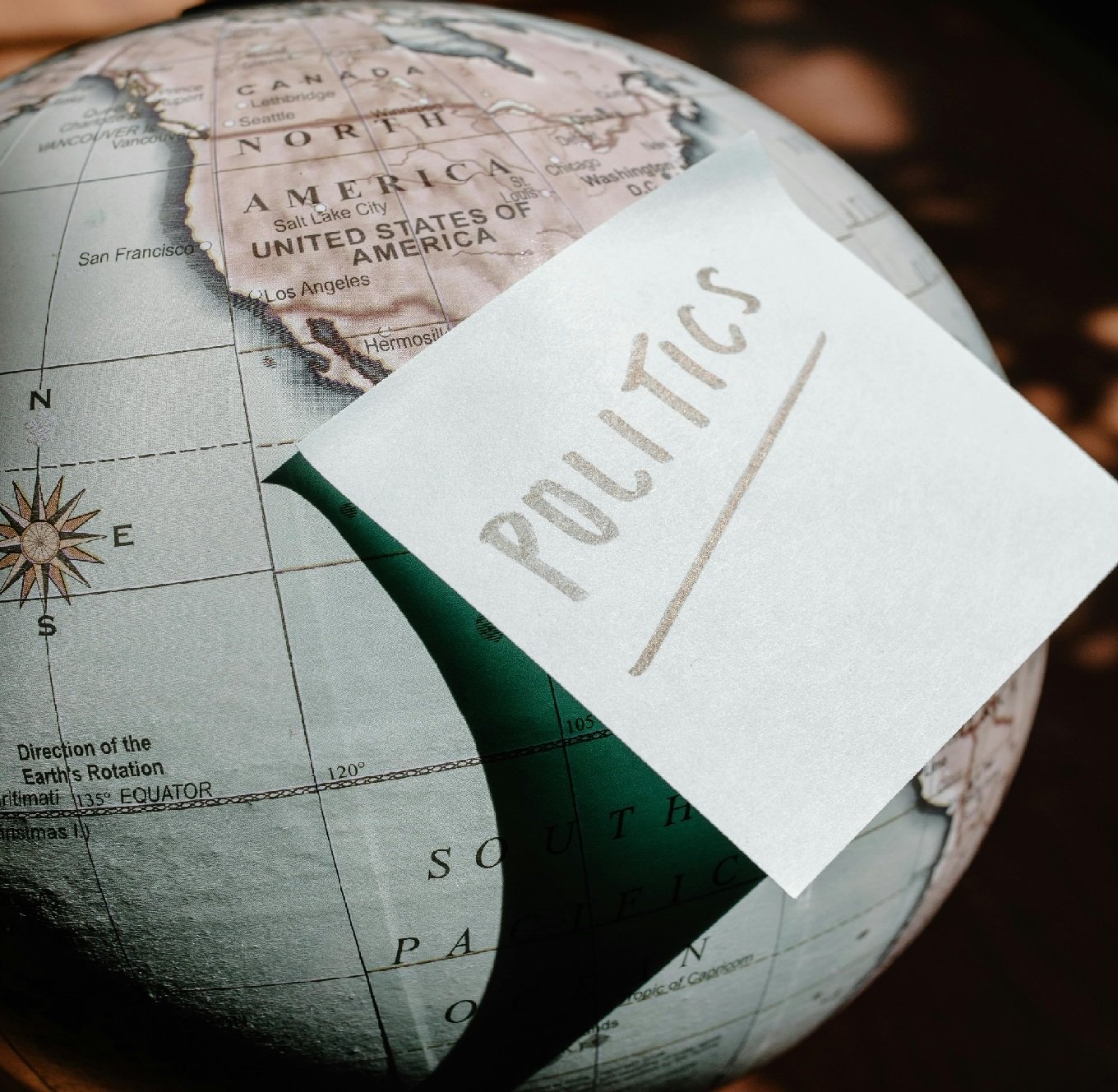
Political history is filled with stories of rivalry, conflict, and animosity between individuals or groups with differing ideologies and ambitions. These historical political foes have shaped the course of nations and left lasting impacts on the collective consciousness of societies. By examining past political conflicts, we can draw valuable lessons that can inform our understanding of contemporary politics and help us navigate current challenges more effectively.
One of the most well-known historical political rivalries is that between Thomas Jefferson and Alexander Hamilton in the early days of the United States. Jefferson, a proponent of states' rights and agrarianism, clashed with Hamilton, who advocated for a strong central government and a national bank. Their disagreements laid the groundwork for the formation of the first political parties in the U.S. - the Democratic-Republicans led by Jefferson and the Federalists led by Hamilton.
From this conflict, we learn the importance of maintaining a healthy balance of power and fostering constructive debate within political systems. While Jefferson and Hamilton may have had opposing views, their rivalry ultimately led to the development of a more robust and dynamic political landscape in the young nation. By acknowledging and respecting differing viewpoints, we can work towards more inclusive and representative governance.
Another instructive example of historical political foes is the rivalry between Winston Churchill and Neville Chamberlain in the lead-up to World War II. Chamberlain, known for his policy of appeasement towards Nazi Germany, was criticized by Churchill for being too lenient and failing to stand up to the growing threat posed by Hitler. Churchill's vocal opposition to Chamberlain's approach eventually led to him assuming the position of Prime Minister and rallying the British people during the war.
This historical lesson illustrates the importance of standing firm in the face of tyranny and aggression, even when it may be politically unpopular or challenging. Churchill's unyielding resolve in the midst of crisis serves as a powerful reminder of the courage and leadership required in times of peril. By studying his example, we can better understand the role of moral clarity and decisive action in addressing existential threats to democracy and freedom.
In conclusion, historical political foes offer us valuable insights into the dynamics of power, conflict resolution, and leadership in the realm of politics. By reflecting on the lessons derived from past rivalries such as those between Jefferson and Hamilton or Churchill and Chamberlain, we can gain a deeper appreciation for the complexities of political discourse and governance. These stories remind us of the enduring relevance of history in shaping our understanding of the present and guiding us towards a more informed and responsible future.
Leave a Comment:
SEARCH
Recent News
- Zurich, Switzerland is a vibrant city known for its picturesque landscapes, rich history, and diverse cultural scene. One fascinating aspect of Zurich's cultural tapestry is the influence of Sudanese culture in the city.
- Zurich is a vibrant city located in Switzerland and is well-known for its picturesque landscapes, rich history, and bustling business scene. The Spanish community in Zurich has been thriving, with many top companies from Spain making their mark in the city. These companies have not only contributed to the economy of Zurich but have also added diversity and innovation to the local business environment.
- Zurich, Switzerland, is renowned for its picturesque landscapes, vibrant culture, and thriving economy. However, thousands of kilometers away in Russia, agriculture plays a crucial role in the country's economy and food production.
- When looking at two diverse but equally fascinating destinations such as Zurich, Switzerland, and the rich culture of Quebec in Canada, it’s hard not to be captivated by the unique charm and beauty each has to offer.
- Zurich, Switzerland: A Hub for Hungarian Culture
- Zurich, Switzerland is a picturesque city known for its stunning landscapes, historic architecture, and vibrant culture. On the other hand, Honduras is a country rich in history and cultural diversity. Let's explore the contrasting beauty of Zurich, Switzerland and the colorful traditions of Honduras.
- Zurich, Switzerland is a vibrant city known for its stunning beauty, high quality of life, and rich cultural scene. One of the many diverse cultural influences found in Zurich is that of Ethiopian culture. Ethiopians have been making significant contributions to the cultural landscape of Zurich, bringing their unique traditions, music, cuisine, and art to the city.
- Cancel culture has been a hotly debated topic in recent years, and its impact can be seen around the world, including in Zurich, Switzerland. As a vibrant and cosmopolitan city, Zurich is not immune to the effects of cancel culture, which involves boycotting or ostracizing individuals or groups deemed to have behaved in a controversial or offensive manner.
READ MORE
10 months ago Category :

Zurich, Switzerland is a vibrant city known for its picturesque landscapes, rich history, and diverse cultural scene. One fascinating aspect of Zurich's cultural tapestry is the influence of Sudanese culture in the city.
Read More →10 months ago Category :

Zurich is a vibrant city located in Switzerland and is well-known for its picturesque landscapes, rich history, and bustling business scene. The Spanish community in Zurich has been thriving, with many top companies from Spain making their mark in the city. These companies have not only contributed to the economy of Zurich but have also added diversity and innovation to the local business environment.
Read More →10 months ago Category :

Zurich, Switzerland, is renowned for its picturesque landscapes, vibrant culture, and thriving economy. However, thousands of kilometers away in Russia, agriculture plays a crucial role in the country's economy and food production.
Read More →10 months ago Category :
